3 years. 36 communities. Over 2,000 households. Together, we’ve built a nationwide Food Appreciation Movement
He taonga ā tātou kai katoa — all food matters

Your food has been on a journey to get to you
He haerenga nui kia tae atu ō kai ki a koe
It has taken resources like water and nutrients to grow, human labour to tend and harvest, and fossil fuels to transport it to you. Wasting kai means all of these resources are wasted too.
Right now, it is estimated that 30-40% of all kai produced globally gets lost or wasted*.
Homes in Aotearoa New Zealand are throwing away over 157,000 tonnes of edible food every year - that’s enough to feed everyone in Dunedin for almost three years! Wasting this kai is expensive too, costing the average kiwi household $1,326 a year.
Across three years of the programme, 87% of Every Bite participants reported an increased awareness of household food waste, while 91% shared that they feel more resourceful and better equipped to prevent food waste in their household.
Our impact
2,027+ attendees, 891 households, 79% long-term habit retention, and 93% social diffusion.
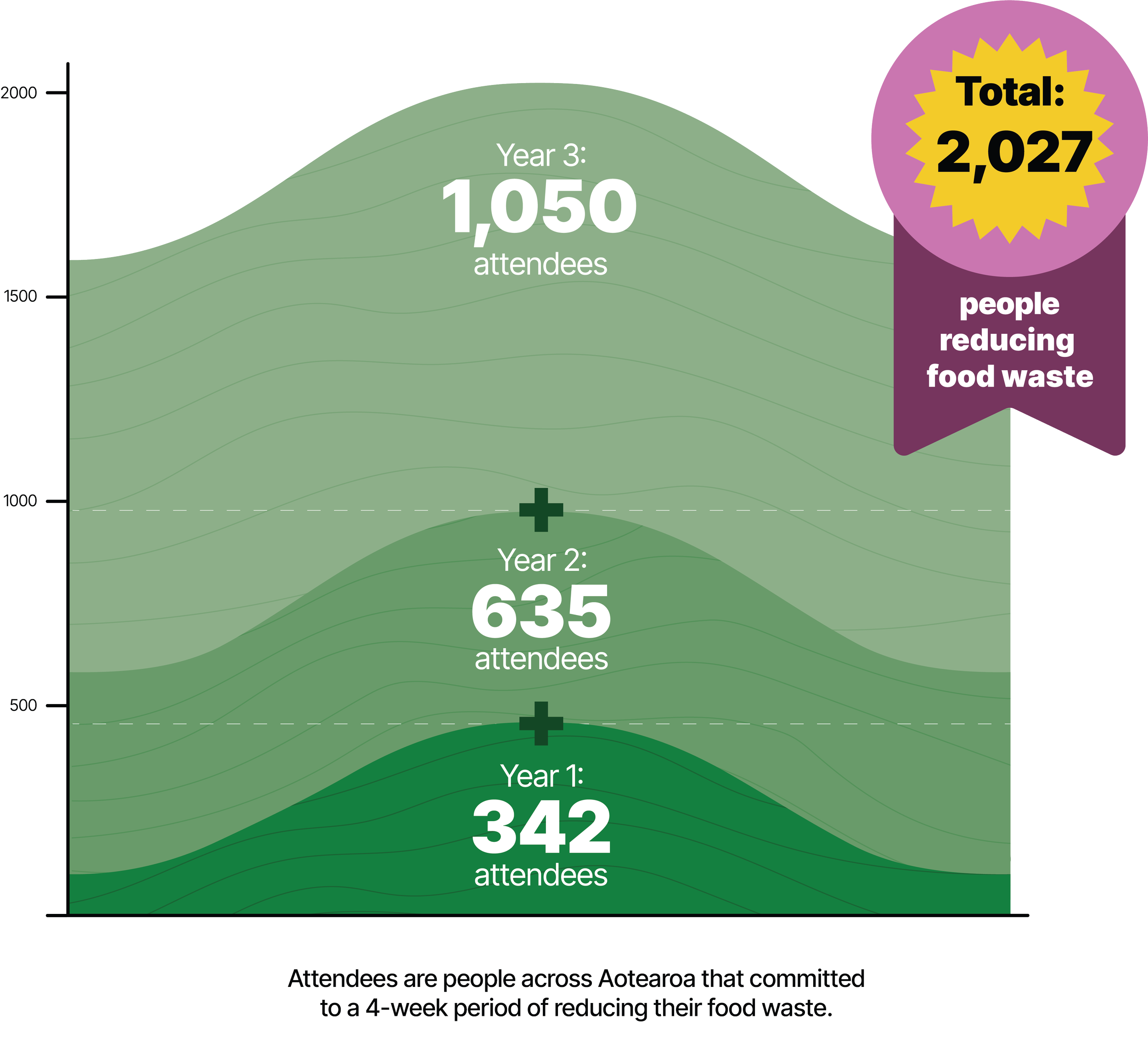
Every Bite was delivered by Zero Waste Aotearoa in partnership with the Ministry for the Environment.
Recipes & resources
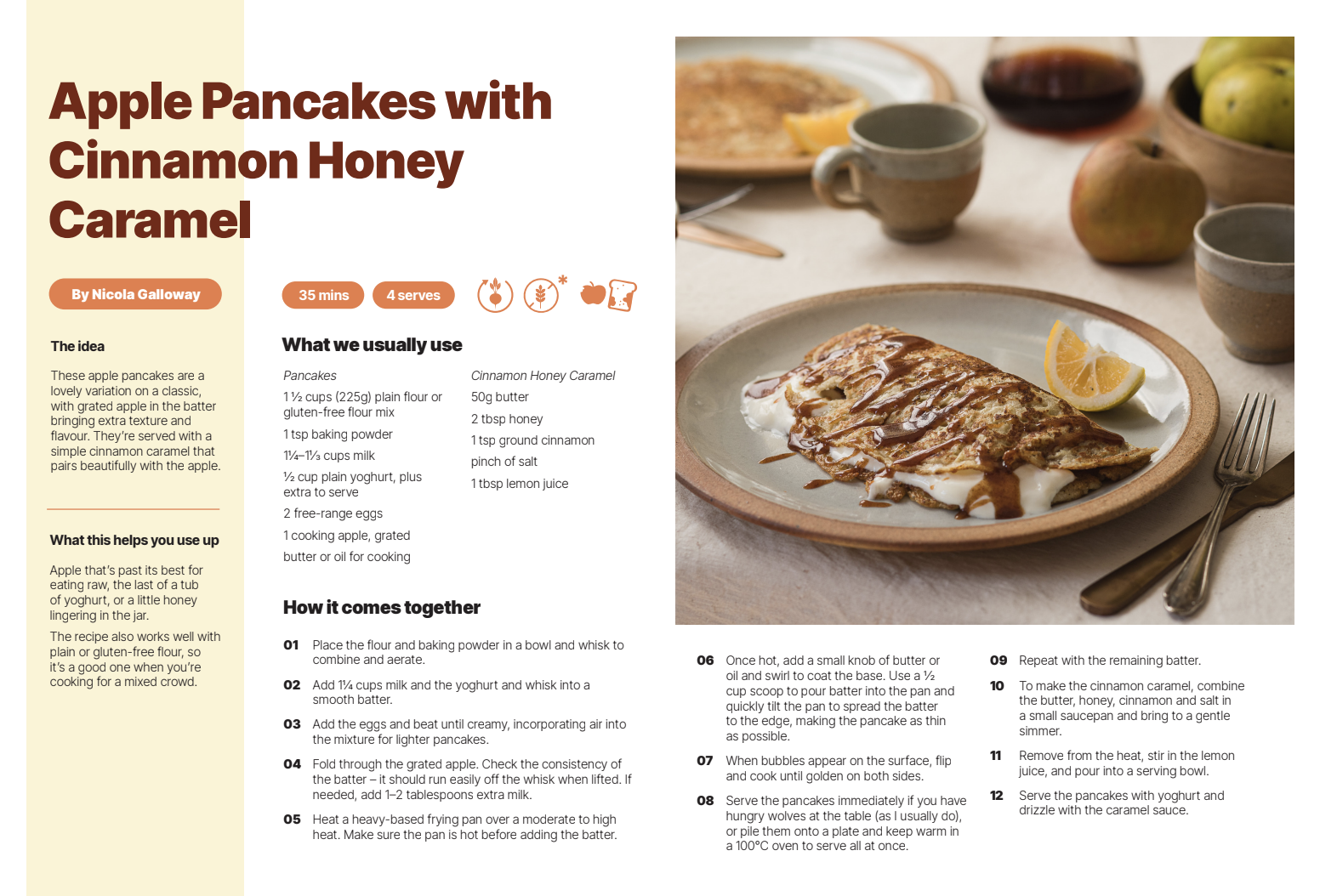
A group of awesome zero waste chefs and community contributors came together to help us create two short e-booklets to provide inspiration to households across Aotearoa who want to be more resourceful with their kai.
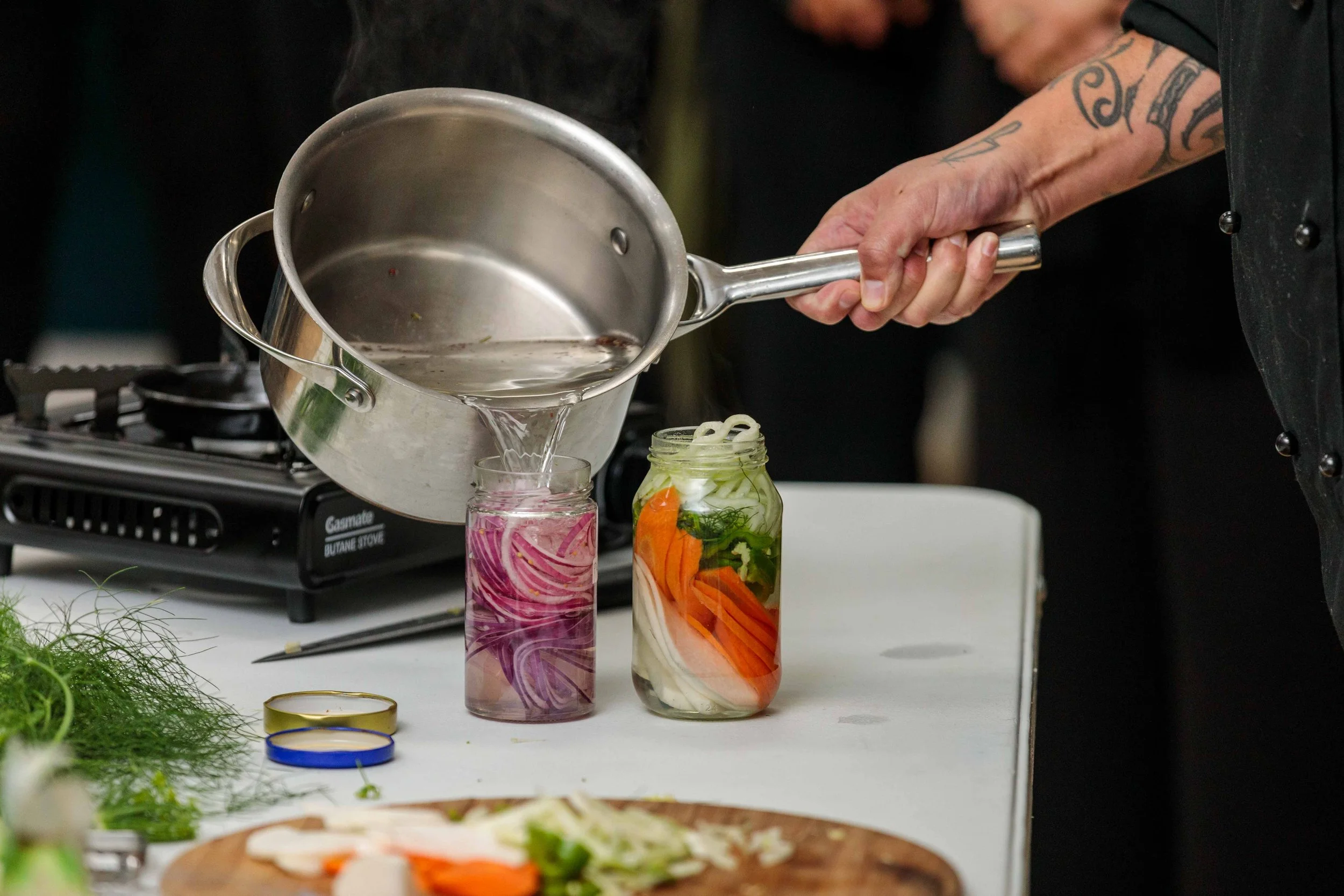
Each chef shared their favourite recipes that help to use up commonly wasted foods while also being delicious and easy.
Things to try:
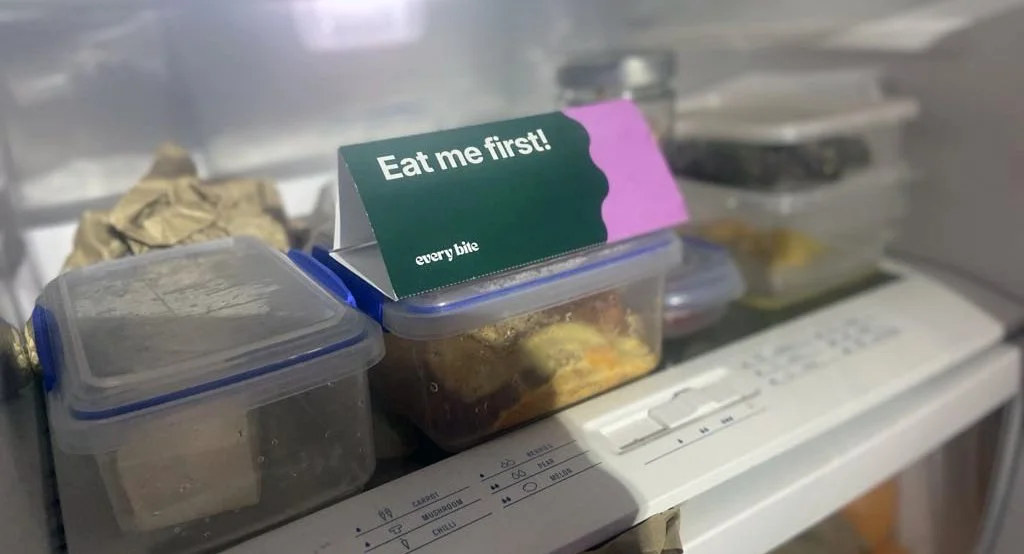
The ‘Eat Me First’ shelf is one of the three actions participants take during Every Bite. It involves setting up a space in your fridge and pantry designed to hold food items with a short shelf life. Give an Eat Me First shelf a go in your home.
The weekly ‘Use it Up Meal’ is another of the three actions that participants take during Every Bite. Can you find leftover food and partially-used ingredients that you could make into a meal this week? Find some inspiration on Love Food Hate Waste.
Food storage is a critical piece of the food appreciation journey. Do you know the best way to store celery? The difference between ‘Best Before’ and ‘Use By’ labels? Find out this and more over on Love Food Hate Waste, and keep an eye on their regular opportunities to try new food appreciation activities and win prizes.
Connect with your local zero waste hub to find out what workshops and opportunities are available in your area.
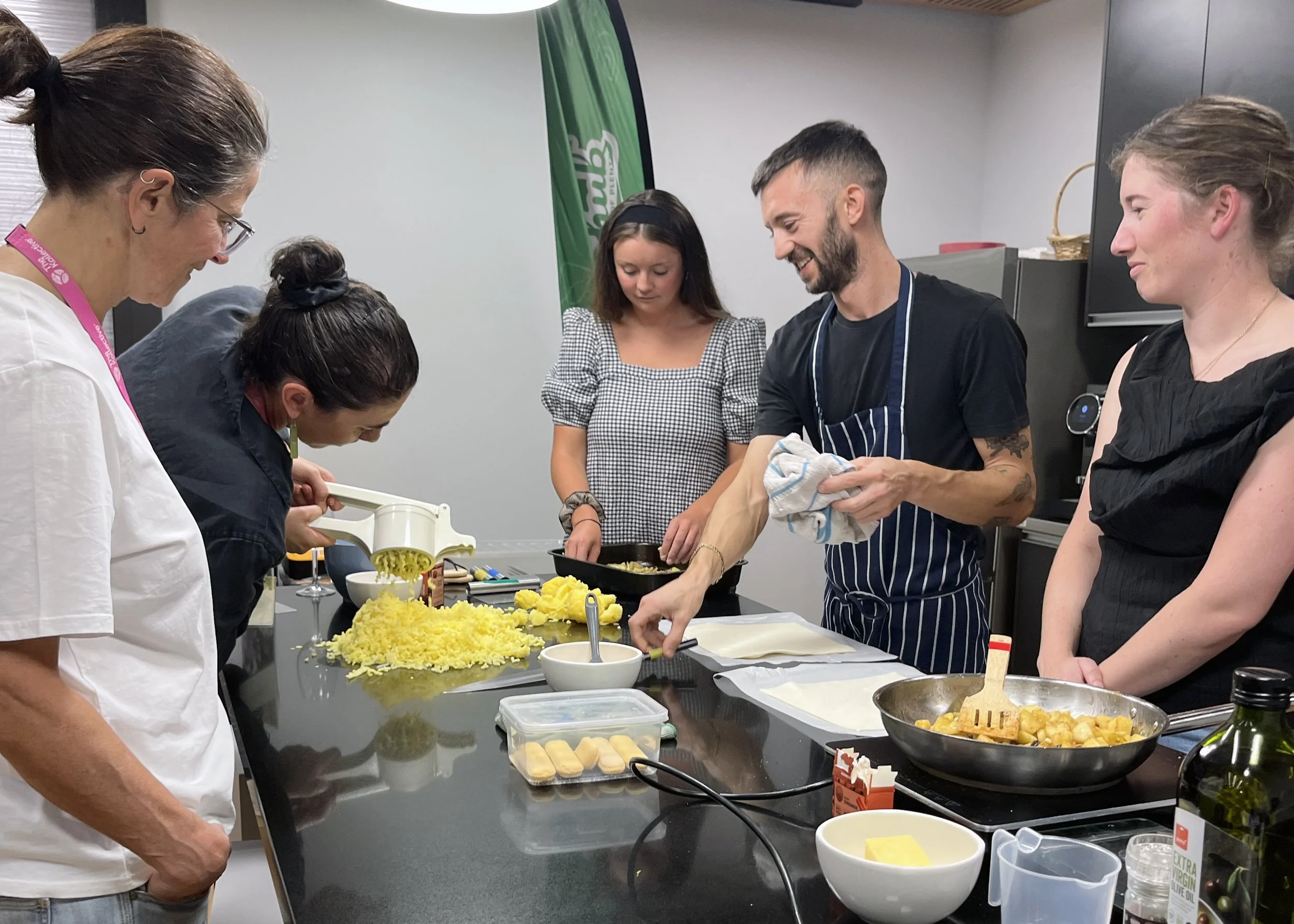
“At Every Bite I learned to be even more conscious of my food consumption, to buy more responsibly, and put this issue at the centre of my decisions.”
— Every Bite Participant, Waikato

Who is this for?
Mā wai tēnei kaupapa?
People who want to do their bit for our environment, and future generations, by reducing their food waste at home.
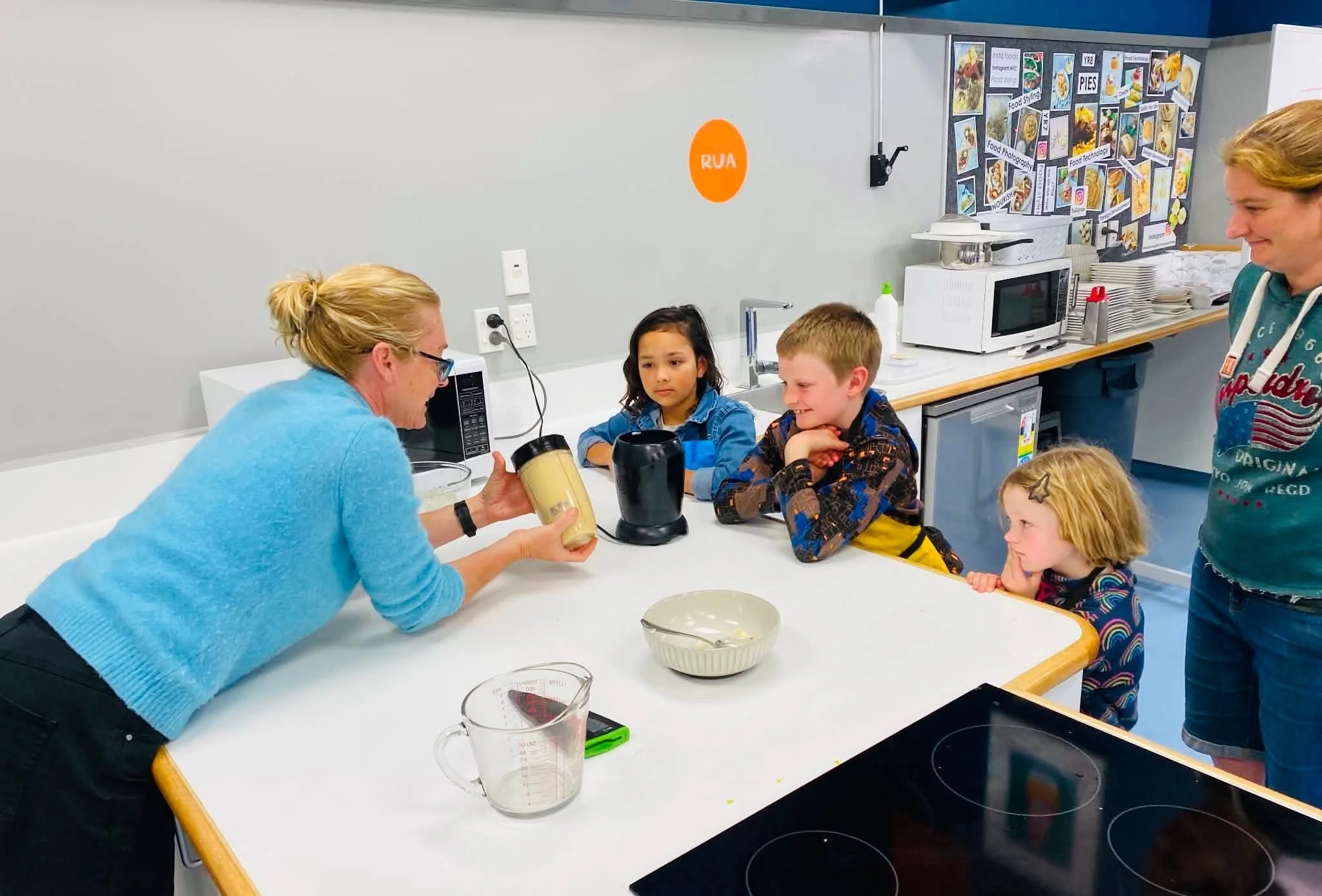
The programme is great for individuals, families, community groups, schools and other organisations wanting to make a difference, while also saving money on food.

“The weekly meal challenge gave us healthier, tasty foods using home-made stocks and sauces, and interesting food combinations we hadn't used before!”
— Every Bite Participant, Hawke’s Bay

“Every Bite offers a hands-on experience, bringing people together through a structured month-long programme to really focus on new learning and new habits.”
– Emma Brockie, Waste Minimisation & Sustainability Advisor, Queenstown Lakes District Council
“We built so many beautiful relationships with local partners, chefs, and the council... Behaviour change is really new to our organisation and region, and because of Every Bite, we opened up new ground for our waste team to see how behaviour change is the way to go.”
– Michelle Kang, Sustainable Hawke’s Bay (Every Bite Local Delivery Hub)
We've pulled together resources from the Every Bite journey that we'd love you to use or share if they're useful to you.
These include:
What we've learned about food waste in Aotearoa households
How we've fostered collaboration that amplifies the strengths of our place-based Hubs
How existing behaviour change knowledge has shaped the programme
What we've learned about shifting mindsets and behaviours in Aotearoa households